
When should you hire a UX designer
Hiring a UX (user experience) designer helps bring structure and clarity to your ideas. A UX designer focuses on improving the usability of your product so that people can immediately understand how to navigate and interact with your website or app.
What Exactly Does a UX Designer Do?
A UX designer focuses on how a product works, not just how it looks. Their role is to make sure that every screen, feature, and interaction is intuitive and easy to use. This includes understanding user needs, mapping out flows, creating wireframes, and testing prototypes. Unlike a visual designer, who focuses on colors, typography, and branding, a UX designer lays the foundation for how the product functions. In other words: UX is about usability and structure; visual design is about style and presentation. Both are essential, but UX comes first to ensure the product solves the right problems before it’s dressed up.
Signs You Need a UX Designer
There are some clear warning signs that it’s time to bring in a UX designer. If users abandon carts during checkout, drop off during sign-up, or complain that your product feels confusing, that’s a red flag. If your team keeps redesigning the same feature because requirements aren’t clear, or if stakeholders can’t agree on how the product should work, a UX designer can help bring alignment. Even subtle signals—like users struggling to find key information, or your developers spending extra time rebuilding flows—are indicators that the product’s structure isn’t working as it should.
When Should UX Design Happen?
UX design is essential any time you’re creating a new digital product or adding significant features to an existing one. Ideally, it should take place before visual design. The key outcomes of this stage are typically a sitemap and wireframes.
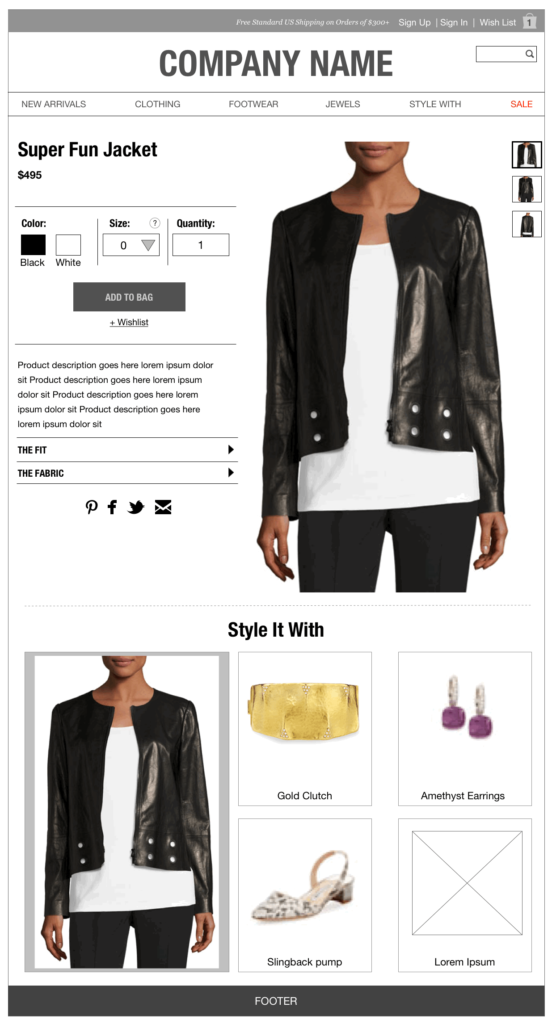
- A sitemap lays out the pages of your product in a flowchart, showing how users will move through the experience.
- Wireframes act as blueprints for each page, outlining features, functionality, and navigation in a simple black-and-white format without visual design elements.
Working in wireframes makes it much easier to refine functionality without worrying about color, typography, or branding. Need to add a new feature? It’s as simple as adding a box to the sitemap or wireframe. This flexibility allows you to test and iterate quickly. Once everything is nailed down, you can move into visual design with fewer open questions and a clearer direction.
The ROI of UX
Investing in UX design isn’t just about making a product easier to use—it directly impacts your bottom line. Clearer flows and simpler interactions reduce friction, which leads to higher conversions and fewer abandoned carts. Well-structured products also cut down on costly redesigns and endless back-and-forth between designers and developers. In fact, industry research has shown that every $1 invested in UX can return up to $100 in value through increased sales and reduced support costs. Beyond the numbers, great UX builds customer trust and loyalty, ensuring that people not only use your product once but come back again and again.
Will UX Slow Down My Project?
It might feel like UX adds time at the start, but. it actually saves significant time—and money—in the long run. By defining functionality, structure, and flows upfront, UX design gives both designers and developers a clear roadmap.
- Designers can focus on creating beautiful, effective visuals without having to solve structural problems at the same time.
- Developers can begin building backend systems based on wireframes even before the final designs are complete.
In short, UX accelerates the process by removing ambiguity. With functionality locked in, you can move into design and development with confidence that you’re building the right product.